2014
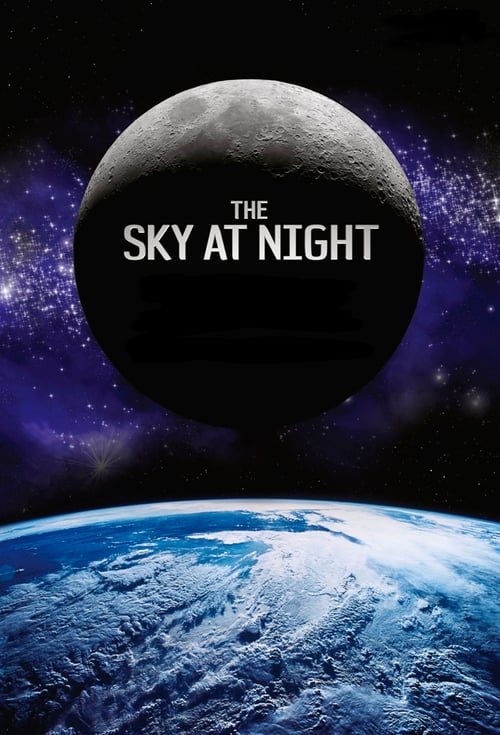
The Sky at Night
Episodes

Jupiter: Weather and Moons
The revamped team look at Jupiter's coloured bands and iconic 'eye', visible manifestations of a violent atmosphere that causes extraordinary weather.
Sounds of the Universe
The Sky at Night team listens to the sounds of the cosmos. Maggie Aderin-Pocock and Chris Lintott explore how sound can reveal extraordinary secrets about the universe - from orchestral tunes rippling on the surface of the sun and the crackle of Jupiter's atmosphere to the sound waves that reveal how the universe was formed. This is astronomy as you've never heard it before.
Mysterious Mars
Mars captures the imagination like no other planet and currently our nearest neighbour is at its brightest for several years, so it's a perfect opportunity to explore a planet that is tantalisingly similar to our own. And in the past it may have been even more like Earth, an inviting and habitable place, a perfect environment for life to flourish. Geologist Iain Stewart investigates how we can read the story of Mars's extraordinary past from its rocks, Maggie Aderin-Pocock comes face to face with the latest Mars rover and Chris Lintott meets the man behind the discovery which the whole history of the universe now rests upon.
How Gravity Shapes the Universe
The universe is filled with spectacular objects, from gloriously-coloured nebulae to the swirling motion of a billion stars formed into a single galaxy. One force has created it all - gravity. The Sky at Night team steps away from the bright lights and travels to the Brecon Beacons AstroCamp to see how gravity shapes the universe, in all its spectacular glory. Maggie Aderin-Pocock asks why so much of the night sky is filled with spheres and why not all these spheres are what they seem. Chris Lintott finds out about the newest moon in the solar system that has just formed in Saturn's rings, and how it could shed light on how the planets formed billions of years ago. Plus, how to get great images of the night sky without using a telescope and what the shape of a galaxy tells you about its past.
Impacts
The team looks at the cosmic impacts which have shaped the universe around us, from asteroids crashing into the surface of the moon to galaxies colliding with each other.
The Brightest Star
The team explore stargazing in the daytime, show how seasons change on other planets across the solar system and examine what makes the sun special.
How to Catch a Comet
The team goes behind the scenes at mission control for the critical point of the most ambitious space project of the decade. The European Space Agency's Rosetta probe finally catches up with the comet it has been chasing across the solar system for ten years and prepares to send out a lander armed with drills and harpoons for a daredevil attempt to hitch a ride. With the latest images revealing that it may even be two comets stuck together, Dr Chris Lintott is on hand in Germany with updates from the mission team on this unparalleled challenge, whilst Dr Maggie Aderin- Pocock reveals the instruments that the lander is carrying.
The Hunt for ET
Are we alone? Geneticist Dr Adam Rutherford seeks to define what life is and Maggie Aderin-Pocock explores our chances of finding it in the universe.
Ice Giants
The vast frozen worlds of Uranus and Neptune are the most enigmatic and mysterious planets in the solar system. From the most powerful winds ever recorded to their exotic atmospheres, what makes these planets so unique? Chris Lintott and Maggie Aderin-Pocock reveal the latest images of the ice giants, while award-winning astro-photographer Damian Peach shares his tips for capturing these jewels of the night sky.
Rosetta: A Sky at Night Special
It is one of the most extraordinary space adventures in a generation - to land a spacecraft on a comet. The European Space Agency's (ESA) Rosetta spacecraft has been hurtling through space for over 10 years, tracking down a comet called 67P/Churyumov-Gerasimenko. Now it is about to do something that has never been attempted before and land a spacecraft on the comet's surface. This special episode of The Sky at Night puts the viewer right at the heart of the action, witnessing events as they happened from inside mission control. It reveals the latest images, explores the first groundbreaking science coming back from the comet and asks the astonishing questions that make this mission so captivating. Could Earth's water have come from comets? How do comets survive for so long? Could they have triggered the start of life on Earth? The journey has been fraught with risk and at every stage the comet seems to surprise, but if the mission succeeds it will be a momentous day in the history of space exploration.
The Pillars of Creation
Perhaps no object in the night sky conjures up a greater sense of awe and wonder than a nebula. These vast clouds of dust and gases are stupendously beautiful, but they aren't just pretty objects. Nebulae play a key role in the birth and death of stars, and therefore in our own origins. And driving their creation is a kind of chemistry that the textbooks say shouldn't be happening.
Catalog
Seasons
Specials
1957
1958
1959
1960
1961
1962
1963
1964
1965
1966
1967
1968
1969
1970
1971
1972
1973
1974
1975
1976
1977
1978
1979
1980
1981
1982
1983
1984
1985
1986
1987
1988
1989
1990
1991
1992
1993
1994
1995
1996
1997
1998
1999
2000
2001
2002
2003
2004
2005
2006
2007
2008
2009
2010
2011
2012
2013
2014
2015
2016
2017
2018
2019
2020
2021
2022
2023
2024
2025
2026